
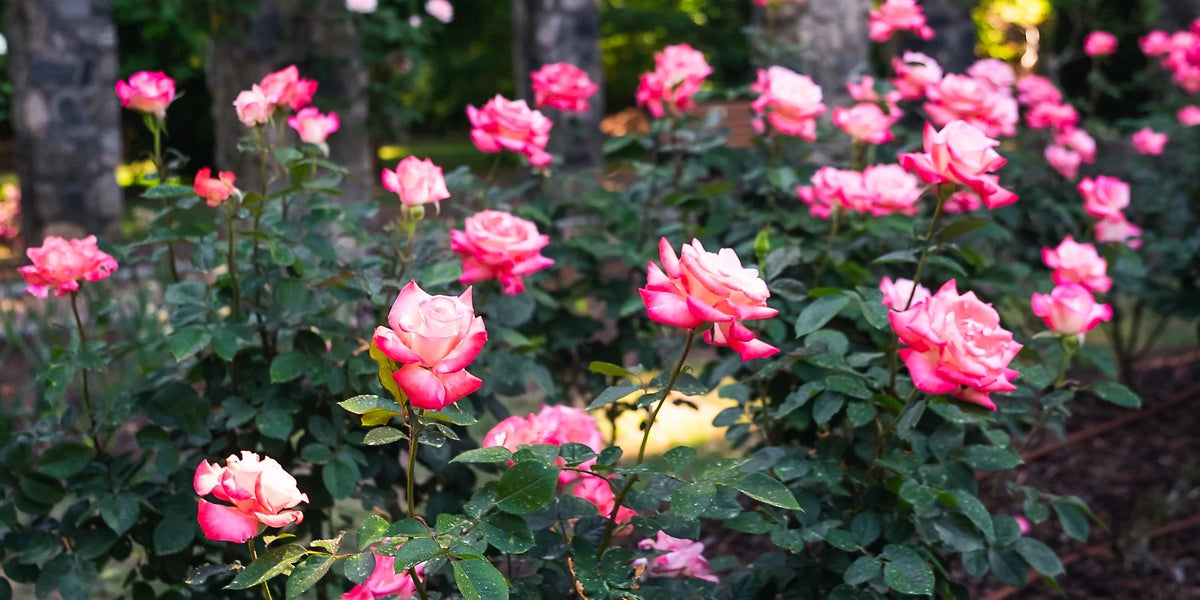
Summertime Tips
Mary Alice Pike
Jun 3, 2026
Keeping Roses Thriving Through the Heat: Essential Summer Gardening Tips Summer is both a season of reward and challenge for rose gardeners. Blooms are at their most spectacular, but heat, drought, humidity, and pests can put even the healthiest plants under stress. With a little extra attention during the warmer months, you can keep your roses vigorous, beautiful, and blooming well into autumn. 1. Water Deeply — and Wisely Roses are thirsty in summer, but how you water matters as much as how much. Water at the base, not overhead. Wet foliage invites fungal diseases like black spot and powdery mildew, which thrive in humid conditions. Water deeply and infrequently — aim for 5 to 7 gallons per plant per week — to encourage deep root growth rather than shallow surface roots. A slow soak once or twice a week is far better than a light daily sprinkle. Keep in mind that your soil composition plays a big role here: sandy soils drain quickly and may need more frequent watering, while dense clay soils hold moisture longer and can get by with less. Adjust your schedule based on how your soil actually behaves. Water in the morning so any splash on leaves dries quickly in the sun. Avoid watering in the evening, which leaves plants damp overnight — prime conditions for disease. A soaker hose or drip irrigation system is one of the best investments a rose gardener can make for the summer months. 2. Mulch Is Your Best Friend A 2–3 inch layer of organic mulch around the base of your rose bushes does tremendous work all summer long: Retains soil moisture, reducing how often you need to water Regulates soil temperature, keeping roots cool even when surface temperatures soar Suppresses weeds that compete for water and nutrients Breaks down over time, improving soil structure For roses, pine bark mini nuggets or shredded mulch are excellent choices — both regulate moisture and temperature well without compacting heavily over time. Keep the mulch a few inches away from the main canes to prevent rot and discourage pests. 3. Deadhead to Encourage Reblooming For repeat-blooming varieties, regular deadheading — removing spent flowers — is essential to keep roses producing new blooms all summer. Cut spent blooms down to the second 5-leaflet leaf, angling your cut at about 45 degrees just above an outward-facing bud. Sharp, clean pruners make cleaner cuts and reduce disease risk. Wipe blades with rubbing alcohol between plants if disease is present in your garden. For once-blooming roses (those that flower only in late spring/early summer), skip deadheading if you want to enjoy colorful rose hips in the fall. 4. Stay Ahead of Pests Warm weather brings increased pest activity. Keep a close eye on your plants and act early. Common summer rose pests include: Japanese beetles — handpick in the morning when they're sluggish, or use Eight or insecticidal soap as a spray. Aphids — blast them off with a strong stream of water, or use insecticidal soap for heavier infestations. Spider mites — thriving in hot, dry conditions; increase humidity around plants and use miticide if necessary. Rose sawfly larvae — look for skeletonized leaves and remove by hand or treat with neem oil. Inspect both sides of leaves regularly. Catching pest populations early makes control far easier. 5. Watch for Fungal Disease Black spot and powdery mildew are the most common fungal problems in summer rose gardens, and they spread quickly in warm, humid weather. Apply fungicide first and stay consistent — spray every 7 to 10 days using both a contact fungicide (which kills spores on the surface) and a systemic fungicide (which is absorbed by the plant to fight infection from within). Rotating between the two helps prevent resistance from building up. Remove and dispose of infected leaves promptly — never compost diseased material. Improve air circulation by pruning out crowded canes and avoiding planting roses too close together. 6. Let Roses Rest During Extreme Heat When temperatures exceed 90–95°F for extended periods, roses may pause blooming and show signs of heat stress — wilting, leaf drop, or scorched leaf edges. This is normal. Don't panic or over-fertilize during a heat wave. Increase watering frequency slightly but don't flood the soil. Roses will often bounce back beautifully once temperatures moderate in late summer or early fall. 7. Cutback for Late-Summer Blooms In many climates, a light summer cutback in late July or early August can trigger a stunning flush of autumn blooms. Remove dead, damaged, or crossing canes. Cut back the tips of canes by about a third to encourage branching and bud development. Time this pruning so that 6–8 weeks remain before your first expected frost — that's typically the window roses need to set and open new buds. A Season Worth the Effort Summer rose gardening demands consistency and attention, but the rewards — fragrant, vibrant blooms in colors from cream to crimson — are well worth it. By watering thoughtfully, staying vigilant against pests and disease, and giving your plants the care they need through the heat, you'll carry the best of the summer garden all the way to the first frost. Happy gardening!

Summer Rose Care
Mary Alice Pike
Jun 11, 2024
As the sun stretches its rays longer each day and temperatures climb higher, it's time for rose enthusiasts to dive into the heart of summer care for these beloved blooms. Roses, with their captivating beauty and fragrant allure, are a staple in many gardens, but they require some special attention during the warmer months to ensure they continue to thrive. From proper watering techniques to the art of deadheading, here's your guide to nurturing your roses through the summer heat.

July Rose Care
Witherspoon Rose Culture
Feb 15, 2024
Beat the Heat! July is usually the month where most rose gardens go downhill. This happens because gardeners are thinking about vacations, the awful heat, and are not willing to step outside to do a little tending to their garden. If you can make an effort to keep your roses looking good through this part of the summer, you will be rewarded when the weather begins to break toward the Fall. Other than lack of attention, there are a few other topics to pay attention to in your rose garden during the heat of the summer. Spider Mites A big issue during July is the possibility of spider mite damage to rose bushes. The two spotted spider mite is the main culprit for damage to roses here in NC. Not much bigger than a grain of sand, these critters suck the juices out of the cells on the undersides of the rose leaf. They are not affected by most insecticides, in fact their populations usually grow with the application of most insecticides. Their natural enemy is water, which is one reason they love colonizing the undersides of the leaf. They will form thick webs under rose leaves and to the naked eye, the bottom of the leaf will look like sandpaper, or like it has been sprinkled with salt and pepper. The top of the leaf usually shows yellowing between the veins. As stated above, water is one of the most effective miticides. Blasting the undercarriage of your plants with a forceful fow of water will knock spider mites off the plants, disrupt their colonies, remove their eggs and interrupt their life cycle. This must be done 2-3 times per week and when infested, bushes must be hosed twice per day. If there is not time in your schedule to hose the undersides of your plants, miticides are the next best thing. Natural miticides like Neem Oil, Insecticidal soap, and various plant oils such as clove oil work very well, but they must be applied early in the morning and the garden must be well irrigated. They tend to be stressful to the leaves and may burn if sprayed on a dry garden at the temperature above 70 degrees Fahrenheit. Synthetic miticides, like Avid or abamectin, are effective on small populations of mites, but need to be applied every 3-5 days and are only mildly effective on severe infestations. Some synthetic miticides also kill predatory insects that might be helping to lower the population of pest mites in your garden.